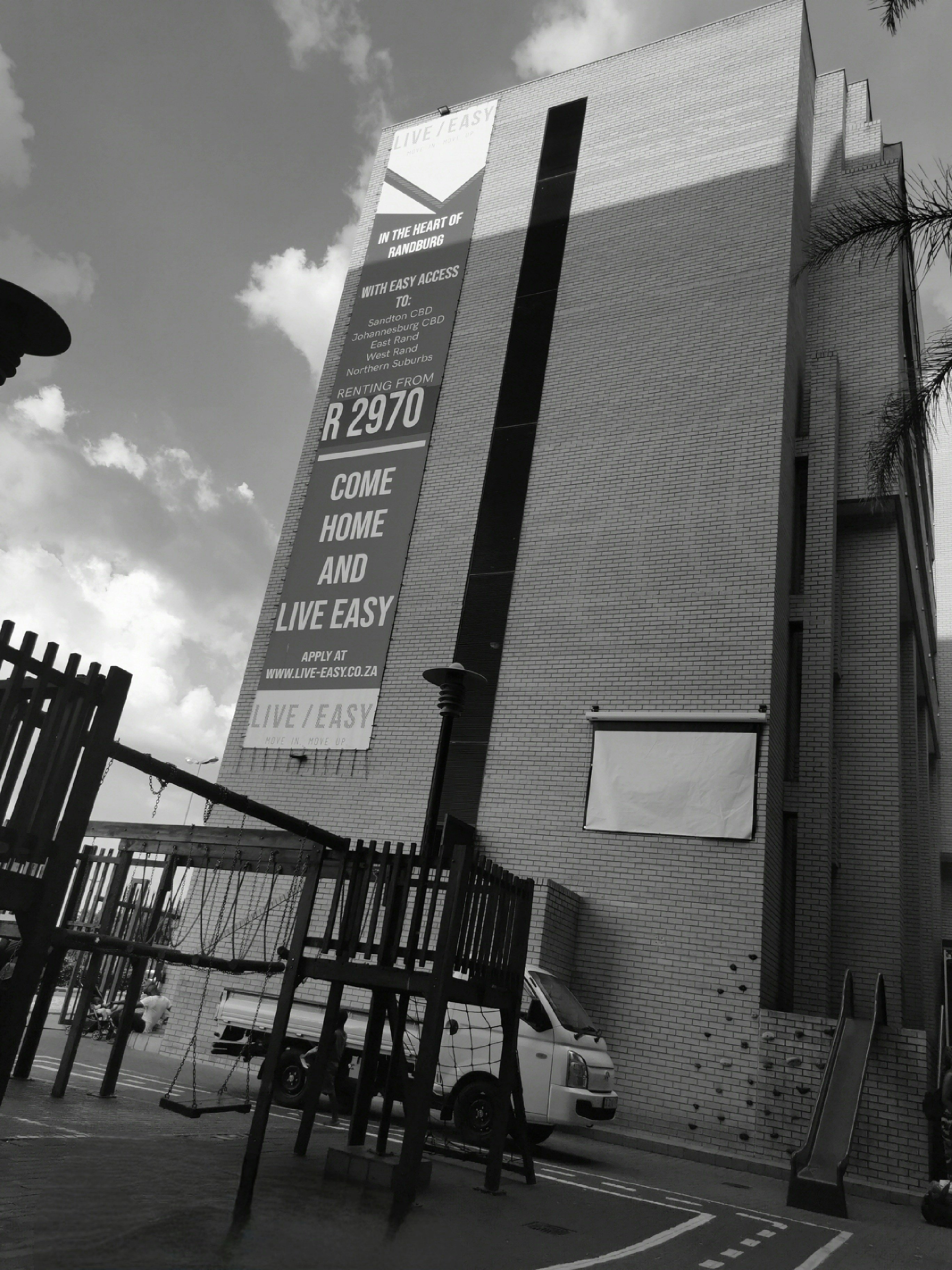
Availability questions are among the most common messages attached to a rental listing. A prospective renter may see an advert on a property portal, then ask by email, phone, text, or a messaging app whether the home is still available. The same question can reach several channels, especially when a listing remains visible across platforms or when applicants are eager to secure a viewing. Each enquiry is reasonable on its own; together, they create a steady stream of repeat requests that can be difficult to track.
When a landlord or property manager answers every message manually, attention is repeatedly pulled away from other work. Switching from maintenance coordination to a phone call, then to an inbox or chat thread, fragments concentration and adds small administrative tasks throughout the day. Even a brief reply requires checking the listing’s current status, identifying which property the person means, and recording what has been said. As message volume grows, those interruptions consume time that could otherwise go toward arranging viewings, reviewing applications, following up with contractors, or addressing residents’ needs.
The impact extends beyond lost minutes. A serious prospect may wait for a response, reducing the chance of arranging a timely viewing. Replies may give inconsistent details about availability, viewing times, or next steps, particularly when several people manage a listing. Inquiries can be overlooked across channels, making follow-up unreliable and leaving applicants and staff uncertain about what happens next. These problems do not mean renters should receive less attention; they show why repetitive work needs a dependable process.
A better approach gives common questions a clear first response while preserving access to a person when judgment or individual help is needed. This does not make communication impersonal. It creates a reliable starting point and allows property teams to focus on meaningful conversations and managing homes.
Rental inquiries are easier to manage when every team member can check a current record for each property. That record should show whether the unit is available, its occupancy date, and whether applications or viewings are in progress. A shared listing system or spreadsheet can serve this purpose; the tool matters less than having one authoritative source. When details are scattered across inboxes, calendars, and separate notes, staff may give different answers to the same question. A clear status record helps ensure prospective tenants receive consistent information and allows employees to respond without reconstructing the property’s history.
Set a straightforward update routine for every status change. After a viewing is scheduled, an application arrives, an applicant is approved, or a lease is signed, the responsible person should update the record promptly. Include relevant dates, such as the next viewing or expected move-in, and identify who owns the next action. A daily review of active listings can catch missed updates, while a check before replying to a new inquiry confirms that the information remains current. Simple, consistent steps are more reliable than depending on memory or assuming a colleague has already made the change.
Outdated availability details can create conversations that lead nowhere. A prospective tenant may spend time asking questions, arranging a viewing, or preparing an application for a unit that is no longer open. Discovering the change late can damage confidence in the listing and make the rental process feel disorganized. Accuracy requires care when the status is unsettled. If an application is pending, explain that the unit is still under consideration and describe what is known about timing; do not present it as available unless that has been confirmed. When a move-in date is uncertain, state that plainly and provide an update timeframe if possible. Clear communication protects trust while helping renters decide whether to continue.
Reusable response templates can help property managers answer recurring rental questions without making every exchange feel automated. A small library might cover whether a home is available, monthly rent and included costs, likely move-in dates, how to arrange a viewing, and what applicants need to submit. These replies save time and give prospective renters consistent information, especially when inquiries arrive across several channels. They work best as starting points rather than rigid scripts: keep the language courteous and plain, then adjust it to the person’s question and circumstances.
A useful availability reply should begin with a direct status update, such as whether the property is available now, already under application, or expected to become available on a particular date. Add relevant timing, including when a viewing can be arranged or when the status may next change. Then give a clear next step: invite the renter to book a viewing, confirm interest, or review the application requirements. A brief prompt asking about their preferred move-in date or inviting a follow-up question makes the exchange more useful and personal. If rent, fees, or other details are relevant, state them plainly rather than requiring the renter to ask again.
Templates should be accurate, concise, and easy to personalize. Use clear placeholders for details that vary, such as the address, rent, available dates, viewing times, and application link, and check each one before sending. Review the library whenever property information changes so outdated prices, availability, or instructions do not mislead renters. Automation can deliver routine information quickly, acknowledge a new inquiry, or share viewing options, but it should not make promises that have not been confirmed. It should also leave important details visible and provide a route to a person when a question needs judgment or a specific answer. With careful upkeep and a human review where needed, reusable replies can improve response times while keeping communication transparent and considerate.
An initial reply should lead renters toward a clear next step, rather than ending with a vague invitation to “get in touch.” Offer available viewing times or a booking link, and explain what information to bring. If schedules change, provide an easy way to request another slot. This structure makes arranging a visit straightforward while preserving a friendly, personal tone.
Every inquiry should have an owner, whether that is a leasing coordinator or a designated team member. Set clear coverage so messages are checked at predictable intervals, including evenings or weekends if prospects reach out then. A shared tracker can record the renter’s name, preferred contact method, unit of interest, viewing date, questions, and current status. After each exchange, note the outcome and next action: confirmed visit, reminder due, application expected, or no response. When a home is rented or its availability changes, contact everyone who asked about it. Offer relevant alternatives when possible, and let prospects know if a cancellation reopens the opportunity. Keep follow-ups timely and useful rather than sending repeated generic nudges.
Review the routine regularly using a few practical measures. Track the time between an inquiry and the first substantive response, not merely an automated acknowledgment. Monitor how many scheduled viewings are completed, and how many qualified applications follow each viewing. These figures can reveal where prospects are getting stuck: slow replies, unclear booking instructions, or missed reminders. Compare results over time and adjust staffing, templates, or scheduling options as needed. Efficiency should not turn every exchange into a script. Use templates for routine details, but leave room for attentive, individualized conversations when someone has questions about accessibility, lease terms, timing, or whether a home suits their needs. A reliable process handles logistics consistently; staff can then spend more time listening, answering thoughtfully, and helping each renter make an informed decision.